
Introduction
A well-designed office is a reflection of the way a business thinks, works, and grows. For corporate interiors, the design philosophy and approach followed by startups and enterprises could not be more divergent. These differences in design philosophy and approach reflect the nature, mindset, and long-term goals and aspirations of these two types of businesses. For instance, the design philosophy and approach followed by a startup and an enterprise would result in two completely different types of workspace design.
Core Intent Behind Design
Startups: Built for Agility
Startups have a design philosophy and approach where the office is designed to be extremely agile and flexible. For instance, the design could include the following elements in a startup’s office space:
- Flexible seating arrangements
- Informal meeting corners
- Spaces that encourage interaction
The design is less about perfection and more about momentum.
Enterprises: Built for Efficiency
An enterprise’s design philosophy and approach to design would be extremely different from a startup’s. For instance, the design could include the following elements in an enterprise’s office space:
- Defined work zones
- Formal meeting spaces
- Hierarchical layout planning
The emphasis is on clarity and control.
Layout and Spatial Strategy
Startups: Fluid and Open
Startups prefer layouts that can change with minimal effort. Open plans allow teams to communicate freely and adapt as they scale.
- Shared workstations
- Multi-purpose zones
- Minimal partitions
This approach ensures the office evolves alongside the business.
Enterprises: Segmented and Defined
Enterprises rely on structured layouts that separate functions and departments.
- Designated cabins and cubicles
- Boardrooms and conference halls
- Reception and client-facing areas
The structure helps maintain order across large teams.
Budget and Design Priorities
Startups: Smart Spending
Startups often operate within tight budgets, making cost-effective design choices a necessity.
- Minimalist aesthetics
- Reusable materials
- Phased investment in interiors
They focus on getting maximum value with limited resources.
Enterprises: Strategic Investment
Enterprises allocate larger budgets for interiors, viewing them as long-term assets.
- Premium materials and finishes
- Advanced infrastructure
- Consistent branding across spaces
The investment reflects stability and credibility.
Furniture and Flexibility
Startups: Adaptable Solutions
Furniture in startup offices is chosen for its versatility. It needs to be easy to move, modify, and scale.
- Lightweight desks and chairs
- Multi-functional furniture
- Expandable setups
Options like modular office furniture Chennai are ideal for startups, offering flexibility without major redesign costs.
Enterprises: Standardized Comfort
Enterprises prioritize ergonomics and uniformity across their workspaces.
- Structured workstations
- Ergonomic seating for long hours
- Dedicated executive furniture
Consistency ensures comfort and productivity at scale.
Technology and Infrastructure
Startups: Simple and Scalable
Startups integrate technology that supports flexibility and remote collaboration.
- Wireless connectivity
- Cloud-based tools
- Compact meeting tech
The focus is on ease and adaptability.
Enterprises: Integrated and Robust
Enterprises require sophisticated systems to manage large operations.
- Advanced IT infrastructure
- Secure networks
- Integrated communication systems
Technology becomes a backbone of daily operations. Ultimately, thoughtfully designed corporate interiors go beyond aesthetics by defining how a business works, evolves and succeeds.
Planning for Growth
Startups: Ready to Scale
Startups need interiors that can expand quickly as teams grow.
- Flexible layouts
- Temporary partitions
- Easily adjustable setups
Working with experienced office interior designers in Chennai helps startups create spaces that adapt without frequent overhauls.
Enterprises: Built to Last
Enterprises plan their spaces for long-term use and stability.
- Permanent layouts
- Large-scale infrastructure planning
- Consistent design across locations
Growth is anticipated and integrated into the design from the start.
Compliance and Operational Needs
Startups: Basic Requirements
Startups typically begin with minimal compliance needs.
- Essential safety measures
- Simple layouts
As they grow, regulations become more relevant.
Enterprises: High Compliance Standards
Enterprises must meet strict regulatory and operational requirements.
- Safety and accessibility norms
- Industry-specific guidelines
- Structured planning approvals
These factors heavily influence the design process.
Workplace Culture and Experience
Startups: Casual and Collaborative
Startup offices are designed to feel less rigid and more engaging.
- Breakout zones
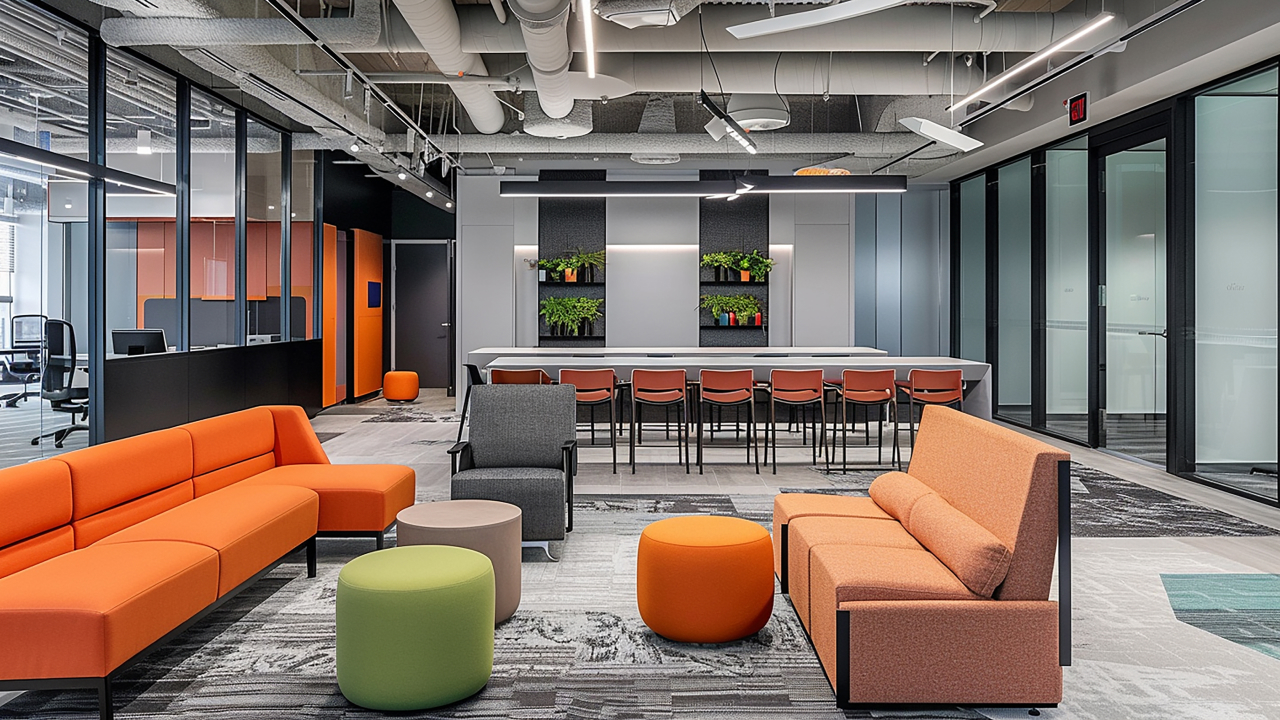
- Lounge seating
- Informal discussion areas
The goal is to create a relaxed and productive workspace.
Enterprises: Balanced and Professional
Enterprises aim to balance collaboration with focus.
- Quiet zones for deep work
- Formal meeting rooms
- Employee wellness areas
The design supports diverse work styles within a structured setup.
Visual Identity and Atmosphere
Startups: Energetic and Expressive
Startups often use bold design elements to reflect their personality.
- Bright colors and creative graphics
- Open ceilings and industrial finishes
- Informal décor
The space mirrors their innovative and disruptive nature.
Enterprises: Refined and Consistent
Enterprise interiors are more polished and understated.
- Neutral tones
- Clean lines and premium finishes
- Subtle branding
The design communicates professionalism and trust.
Key Takeaways
Regardless of size, expert input can transform a workspace into a strategic asset.
- Startups benefit from creative, cost-efficient planning
- Enterprises require detailed, large-scale execution
Experienced office interior designers in chennai bring the right balance of design, functionality, and future-readiness to both.
The contrast between startup and enterprise workspaces lies in their priorities. Startups lean towards flexibility, creativity, and rapid change, while enterprises focus on structure, consistency, and long-term performance. Choosing the right approach ensures the workspace supports both people and processes effectively. From flexible layouts to scalable solutions like modular office furniture chennai, every element plays a role in shaping productivity and growth.
